3 hr
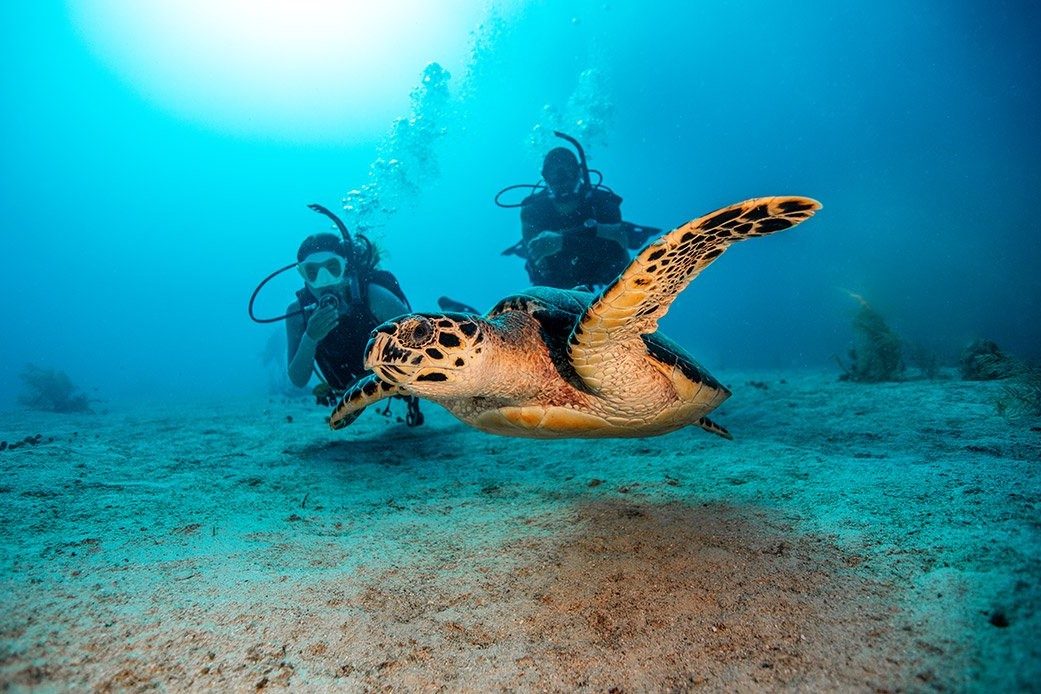
Beginner's Scuba Diving Discovery in Boracay
- Entry ticket
- Mobile voucher
- Valid same day
- Free cancellation
PADI Scuba Diving Boracay — Certification & Discovery Courses
Coral gardens beneath White Beach, guided by certified instructors since 1966
Compare fares, pick the fit — all bookings are mobile-voucher and eligible for free cancellation where shown.
3 hr
20 min
3 hr
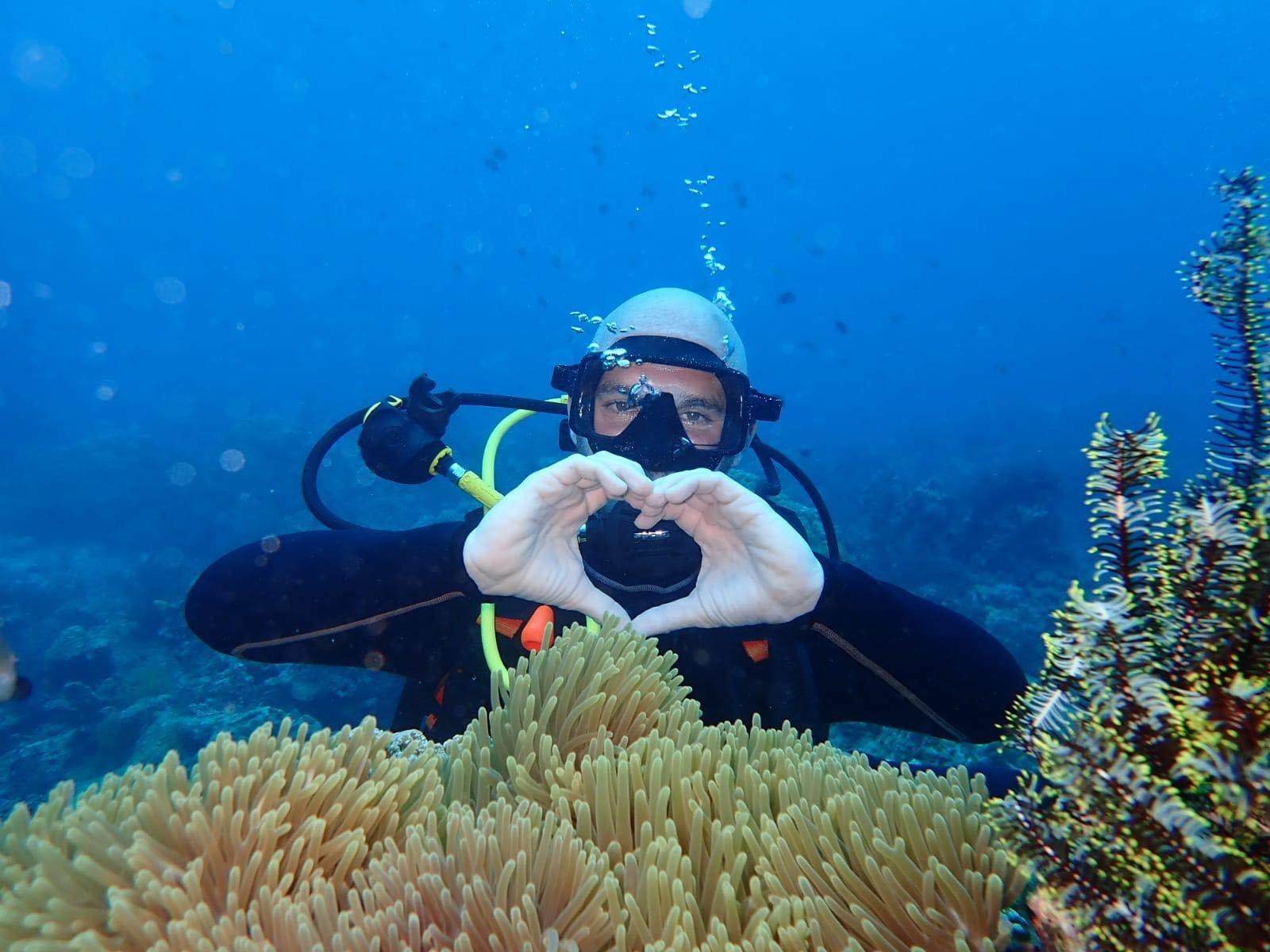
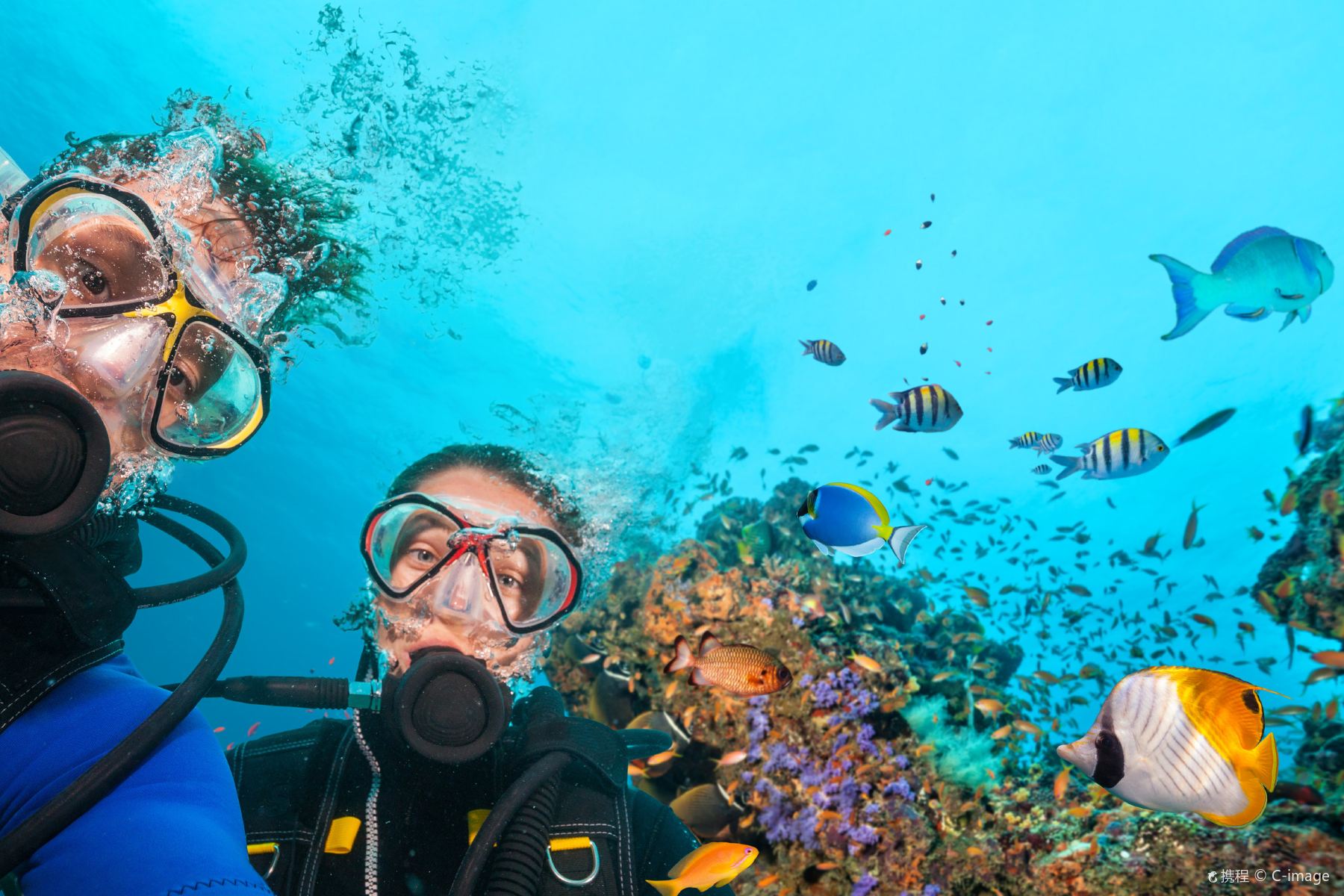
Visitors interested in padi scuba diving boracay can choose between introductory experiences or full certification courses. These options offer different levels of access to underwater environments across the island's dive sites.
| Discover Scuba Diving Introductory Experience |
Top pick PADI Open Water Course Full Certification |
|
|---|---|---|
| Duration | 3-4 hours | 3-4 days |
| Skill Level | Beginner (No experience) | Beginner (Entry-level) |
| Training Inclusions | Briefing and shallow dive | Theory and open water dives |
| Max Depth | 6-12 meters | 18 meters (certified) |
| Certification | None (Participation certificate) | Internationally recognized PADI card |
| Best for | First-timers seeking a quick taste | Those pursuing long-term diving independence |
| See tickets & prices |
Verdict: Choose the introductory padi scuba diving boracay tour if you want a one-time experience, or select the certification course if you wish to become a lifelong diver.
Worth it for serious learners and divers
PADI scuba diving Boracay courses deliver internationally recognized certification that unlocks diving anywhere in the world, a credential cheaper discovery dives cannot provide. While beginner discovery sessions run ₱2,500–₱4,000 and cap at shallow depths with no paperwork, PADI-certified instruction starts around ₱15,000 for Open Water certification and includes theory modules, confined water training, and four open-water dives to 18 meters. The price gap reflects structured curriciculums, professional dive instructors, proper safety protocols, and a lifetime certification card. Boracay's calm morning conditions and coral sites around Crocodile Island make it an ideal training ground. If you plan to dive beyond this trip or want proper buoyancy control and emergency skills, padi scuba diving boracay tours justify the investment. Casual snorkelers or one-time tourists may find helmet diving or a single discovery dive sufficient, but anyone building toward autonomous diving should budget for the full course. The certification transfers globally and never expires, turning the upfront cost into long-term access.
Bottom line: Choose PADI certification if you're building a diving future; opt for discovery if Boracay is your only dive destination.
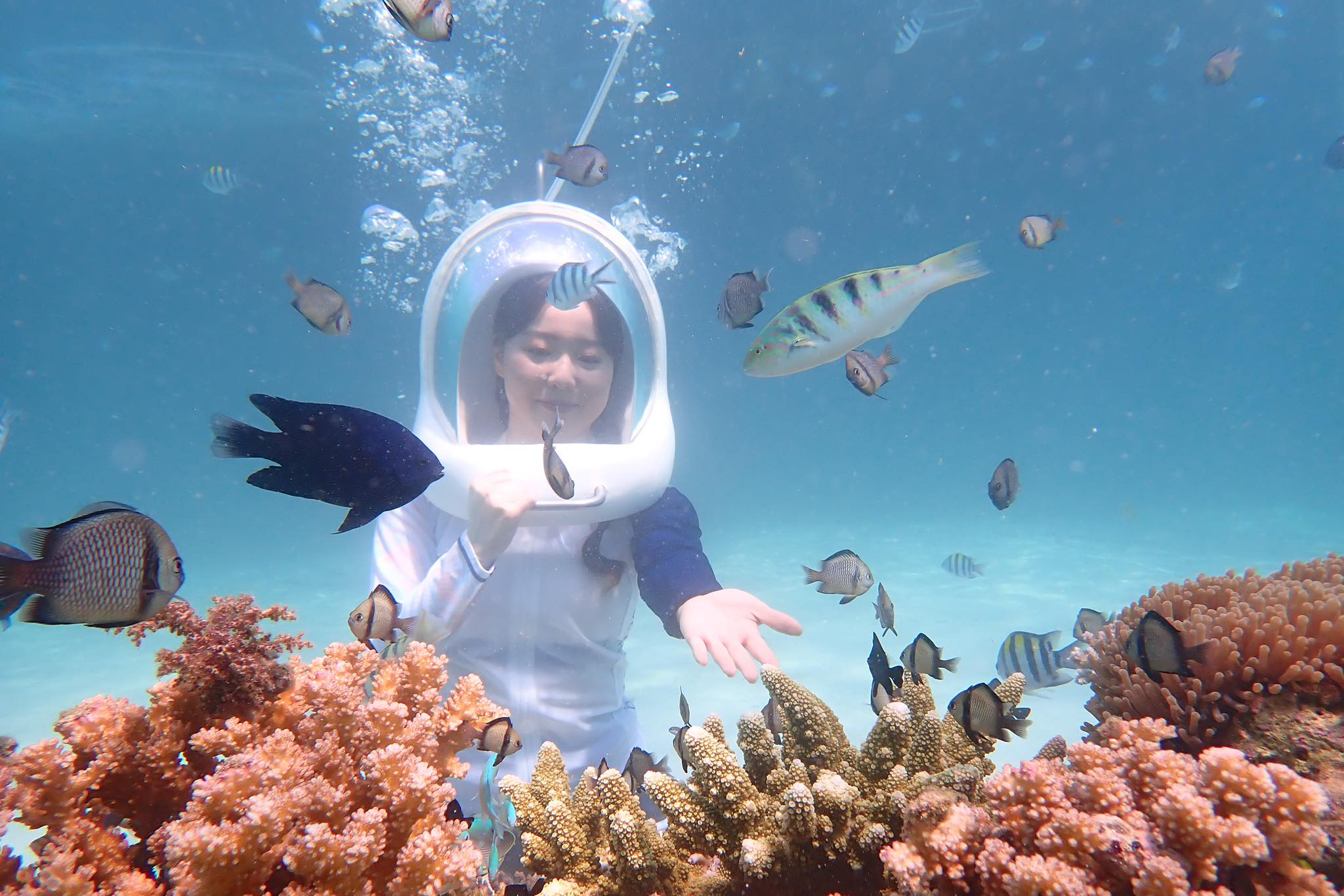
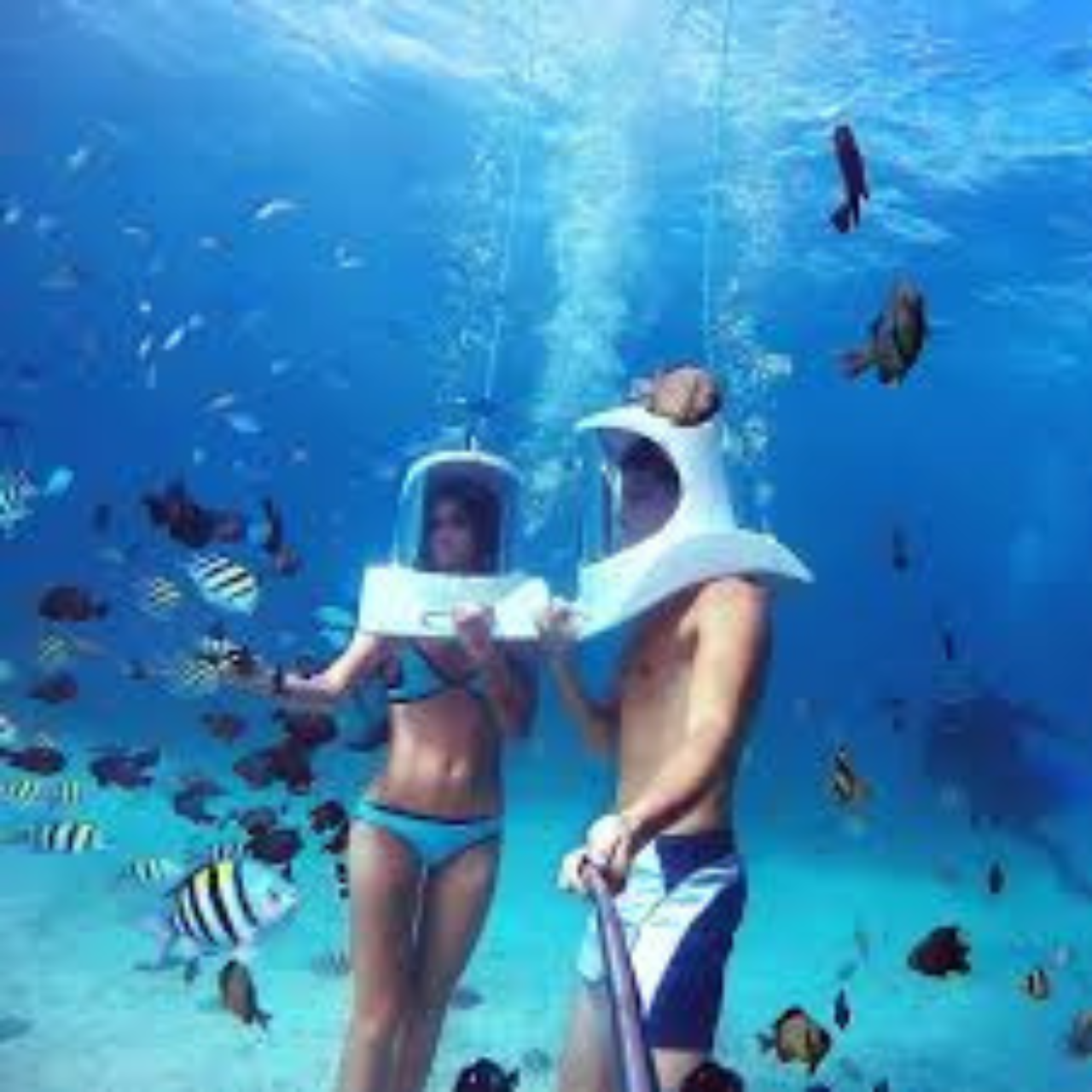
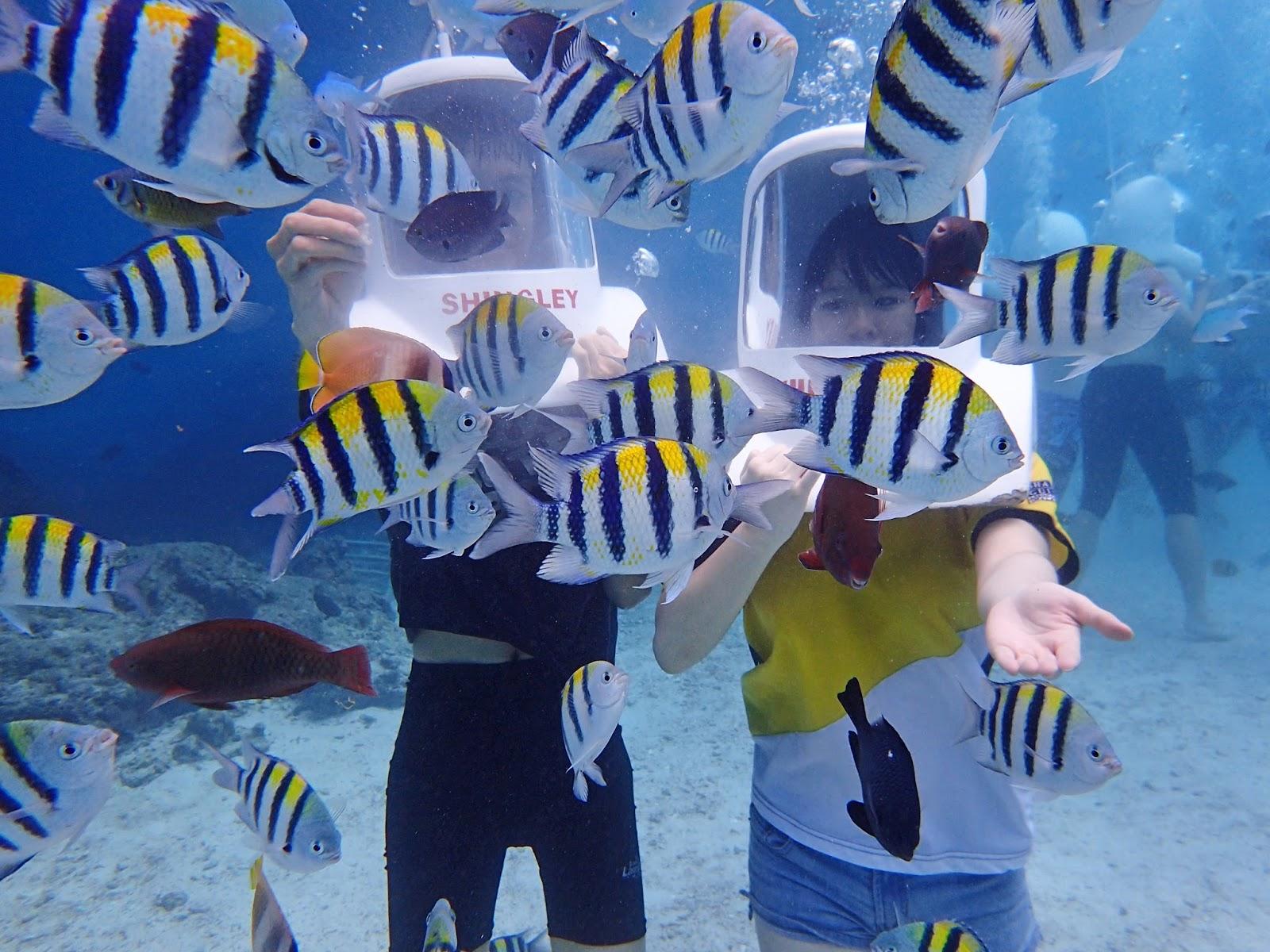
PADI scuba diving provides complete autonomy and formal training, whereas helmet diving offers a casual, controlled encounter with marine life. Choosing between these padi scuba diving boracay tours depends on whether you prefer active skill acquisition or a passive aquatic walk.
|
Top pick PADI Scuba Diving |
Helmet Diving | |
|---|---|---|
| Certification required | Required for autonomy | None required |
| Training depth | Comprehensive theory and skills | Brief safety briefing |
| Maximum depth | Up to 18–30 meters | 3–5 meters |
| Equipment | Scuba tank and regulator | Air-fed heavy helmet |
| Freedom of movement | Full swimming mobility | Walking on sea floor |
| Underwater access | Open water exploration | Platform-tethered walking |
| See tickets & prices |
Verdict: Those seeking recognized mastery of ocean exploration should book padi scuba diving boracay tickets, while helmet diving remains the accessible choice for those without scuba certification seeking a padi scuba diving boracay tour alternative.
Hand-picked experiences loved by thousands of travelers
4 hours
Free Cancellation
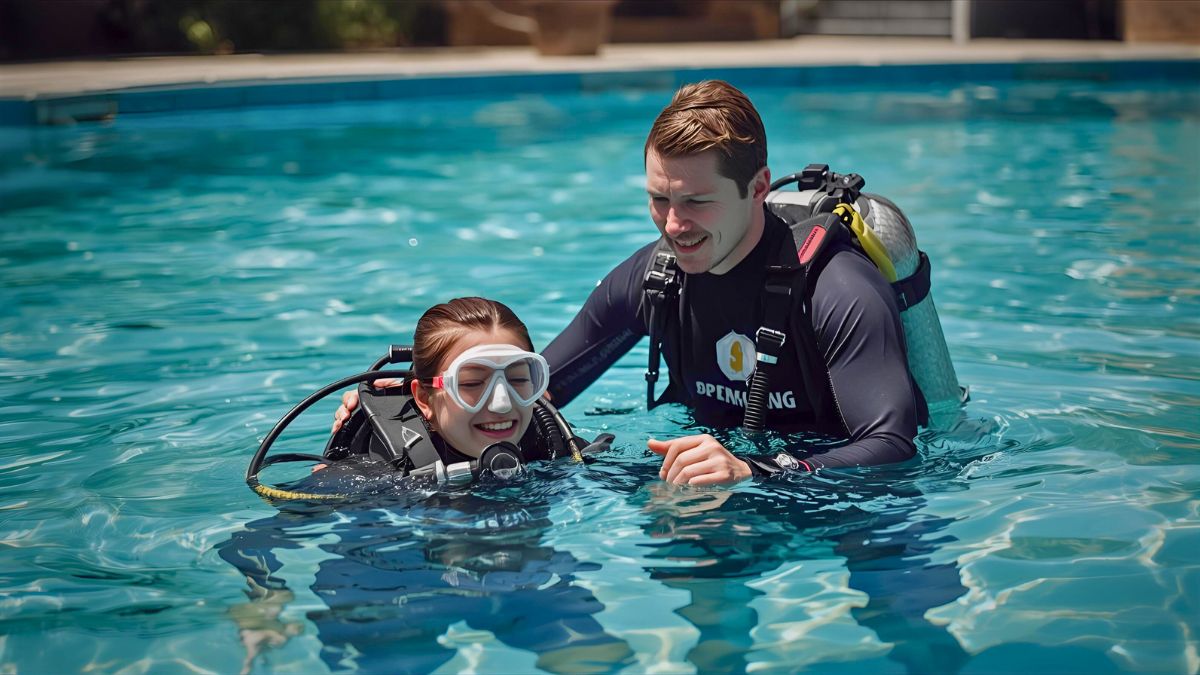
Test the waters with an introductory dive session perfect for first-timers curious about underwater exploration
2 hours
Free Cancellation
Explore Boracay's underwater paradise with expert instructors guiding you through your first dive
5 hours
Free Cancellation
Explore pristine islands, walk the ocean floor in a diving helmet, and enjoy a buffet feast
2 hours
Free Cancellation
Explore over 20 exceptional dive sites around Boracay with expert guidance and professional equipment.
15 minutes
Free Cancellation
Explore Boracay's underwater paradise on a 15-minute aquatic journey with pro photos included
3 days
Free Cancellation
Earn your internationally recognized diving credential through confined and open water training
25 minutes
Free Cancellation
Explore colorful reefs and tropical marine life in the clear waters surrounding this famous Philippine island.
3 hours
Free Cancellation
Dive into the underwater world without tanks—learn freediving basics and explore depths up to 7 meters.
Vibrant reef teeming with colorful fish and diverse corals perfect for macro photography and beginner divers.
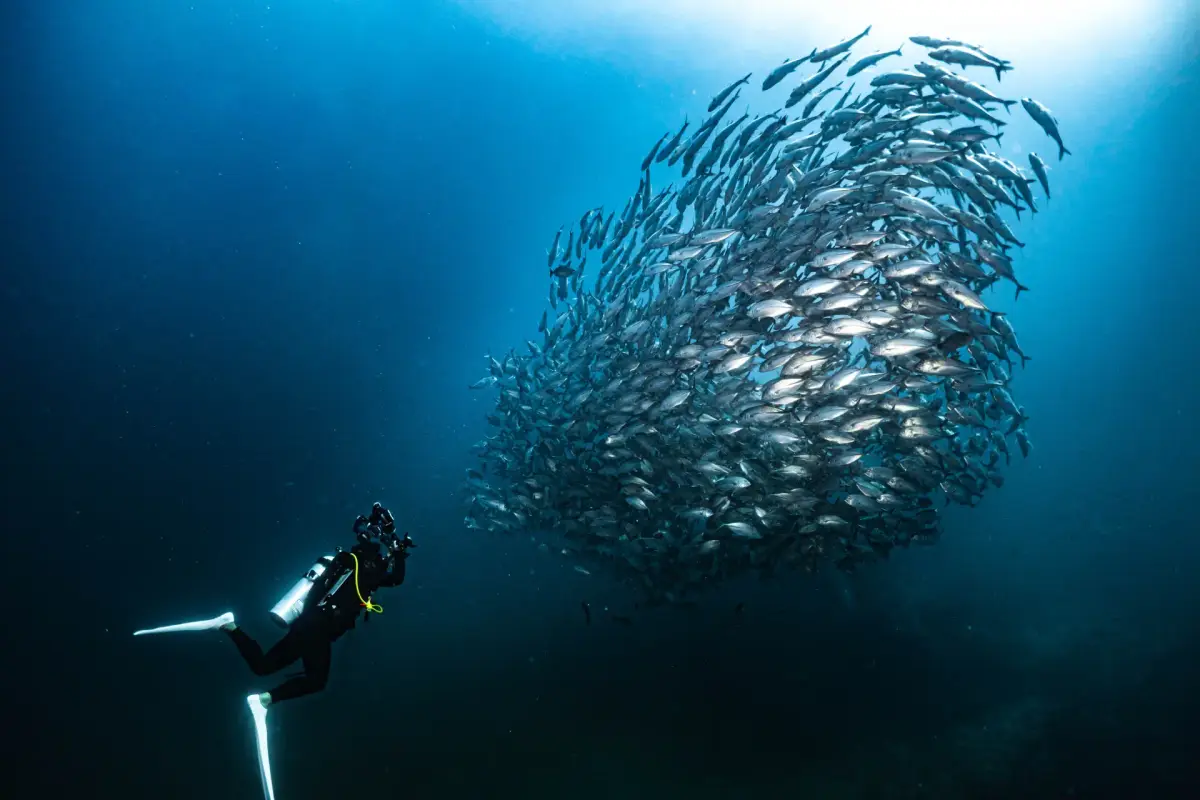
A dramatic, deep drop-off renowned for sightings of reef sharks and schools of large pelagic fish.
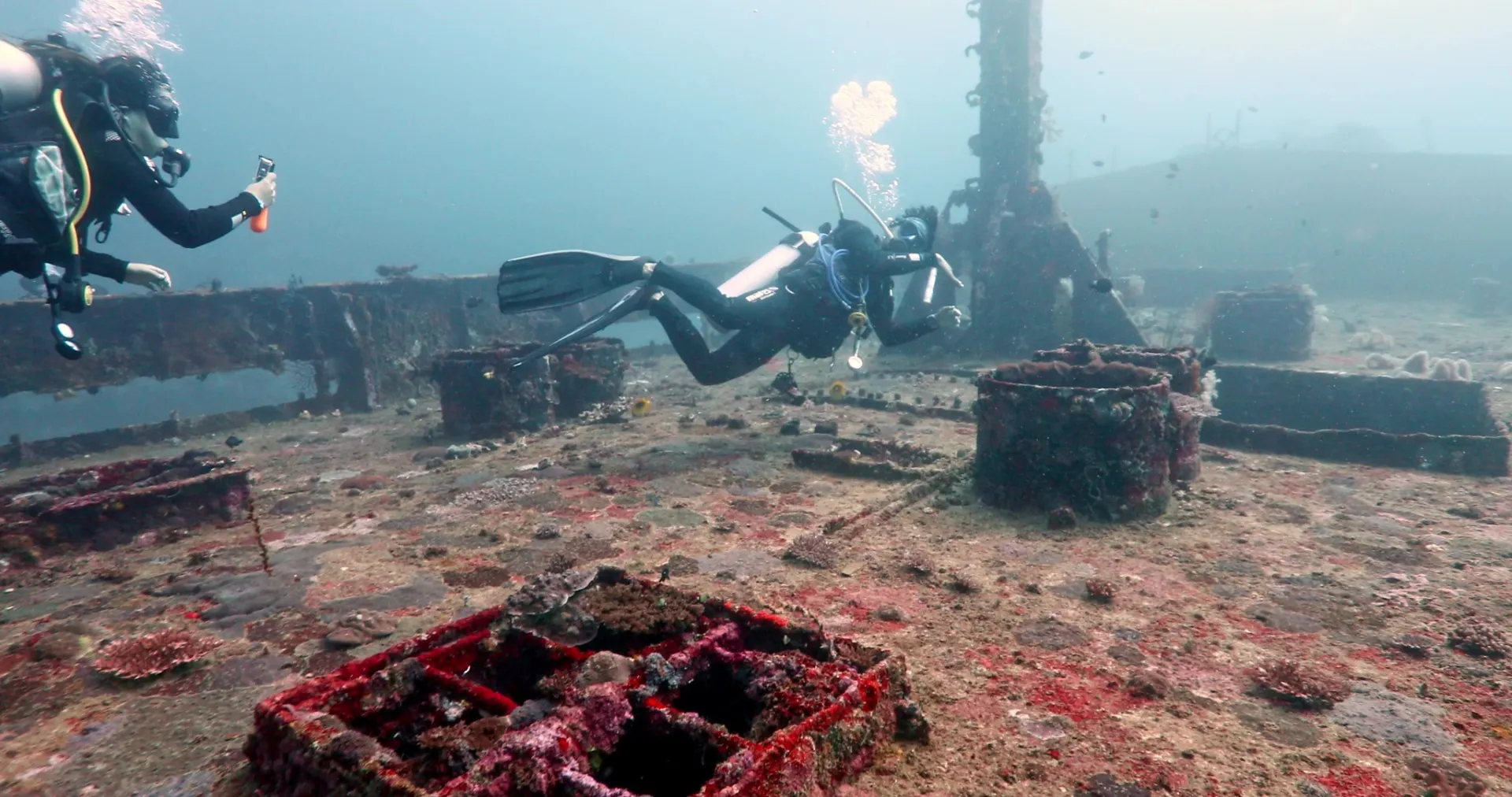
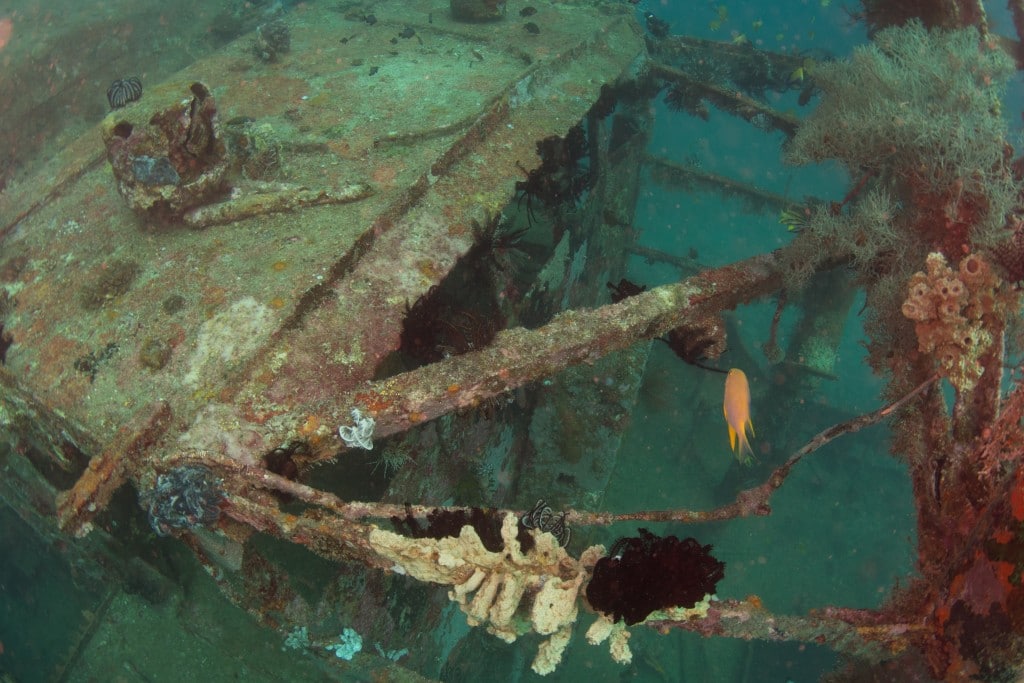
An artificial reef created from a sunken fishing vessel that provides a home for schools of snapper and batfish.
Named for its shape, this site features excellent coral formations and encounters with moray eels and sea turtles.
A famous and accessible site known for its shallow depth, making it ideal for both daytime exploration and night dives.
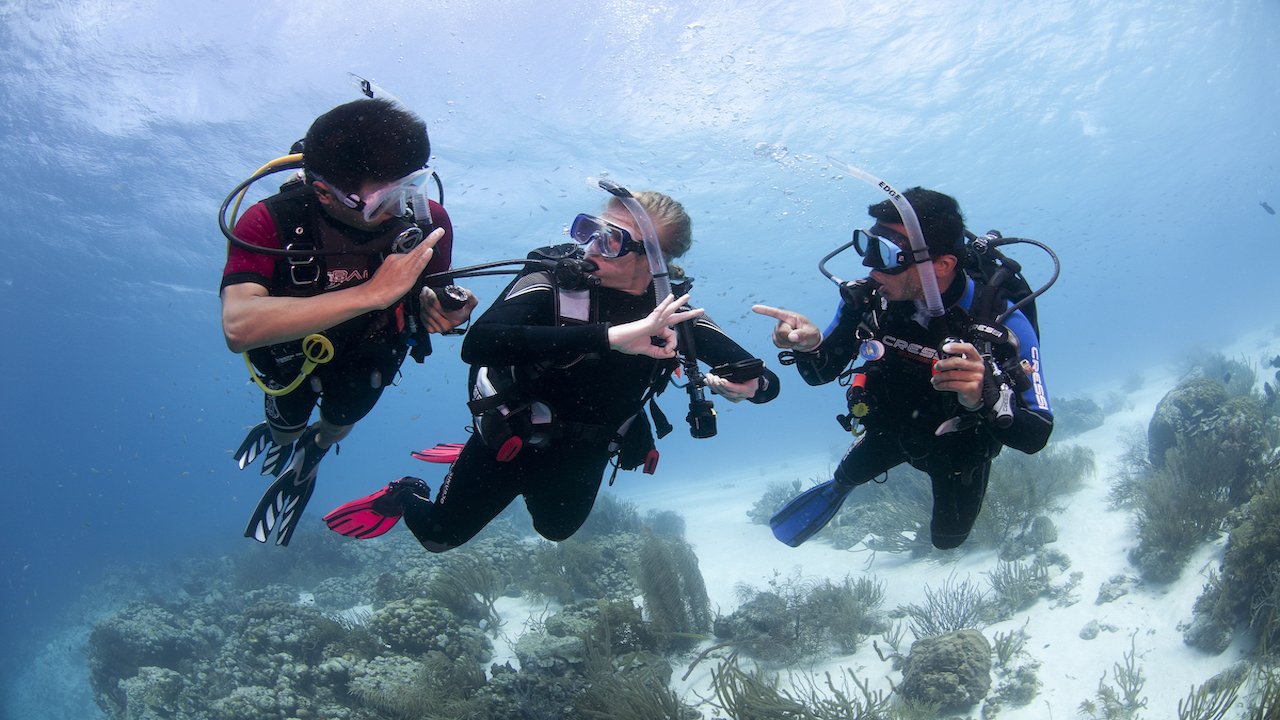
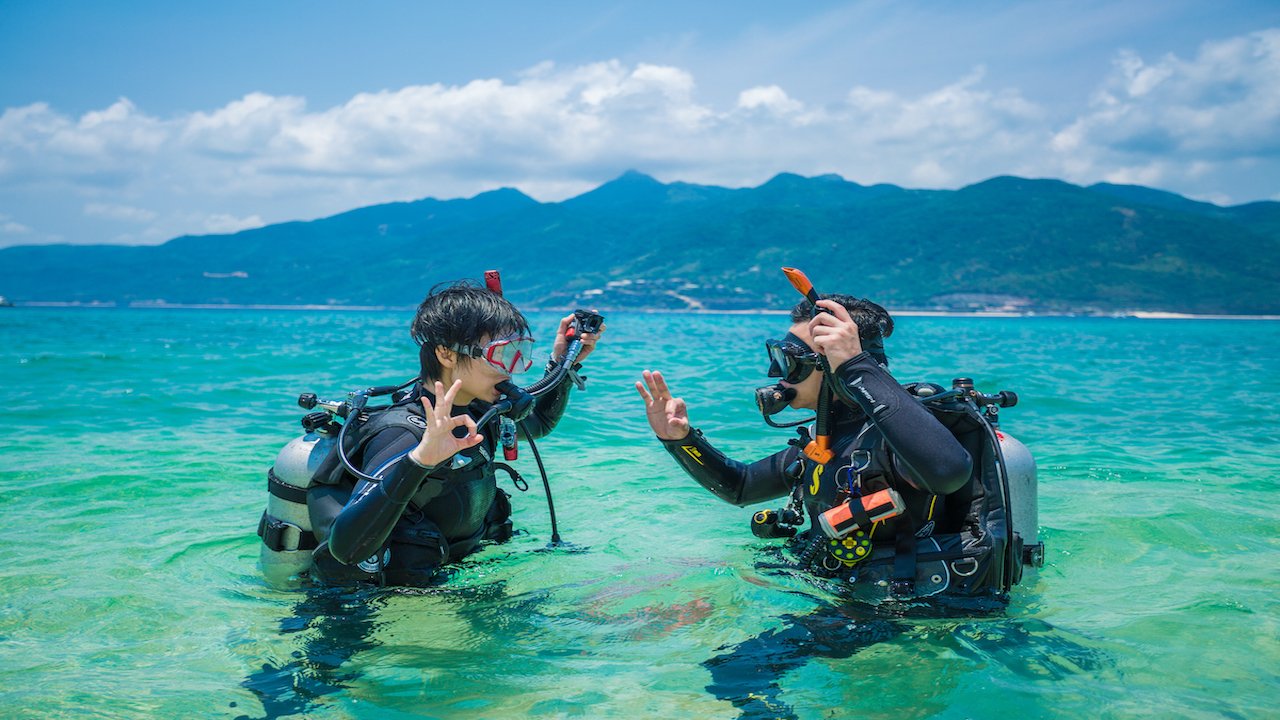
You meet your instructor at White Beach at 08:00, when the sand is still cool and boat traffic minimal. After a fifteen-minute briefing on equalization techniques and hand signals, you board a banca outrigger for the ten-minute crossing to Angol Point.
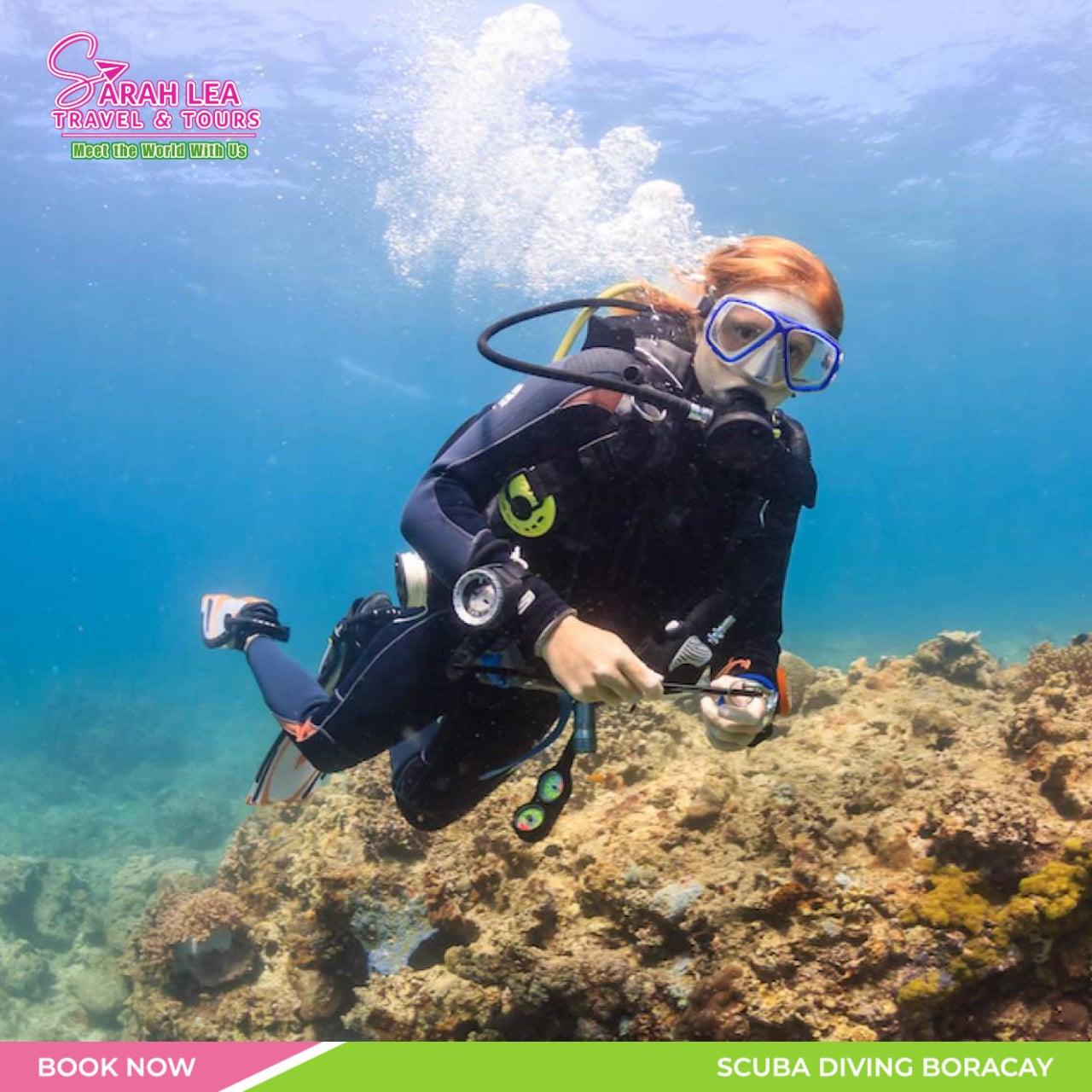
The dive site sits in eight metres of water, a sandy plateau bordered by coral bommies. Your instructor helps you don the buoyancy control device, checks your regulator, and guides you through a controlled descent along the anchor line.
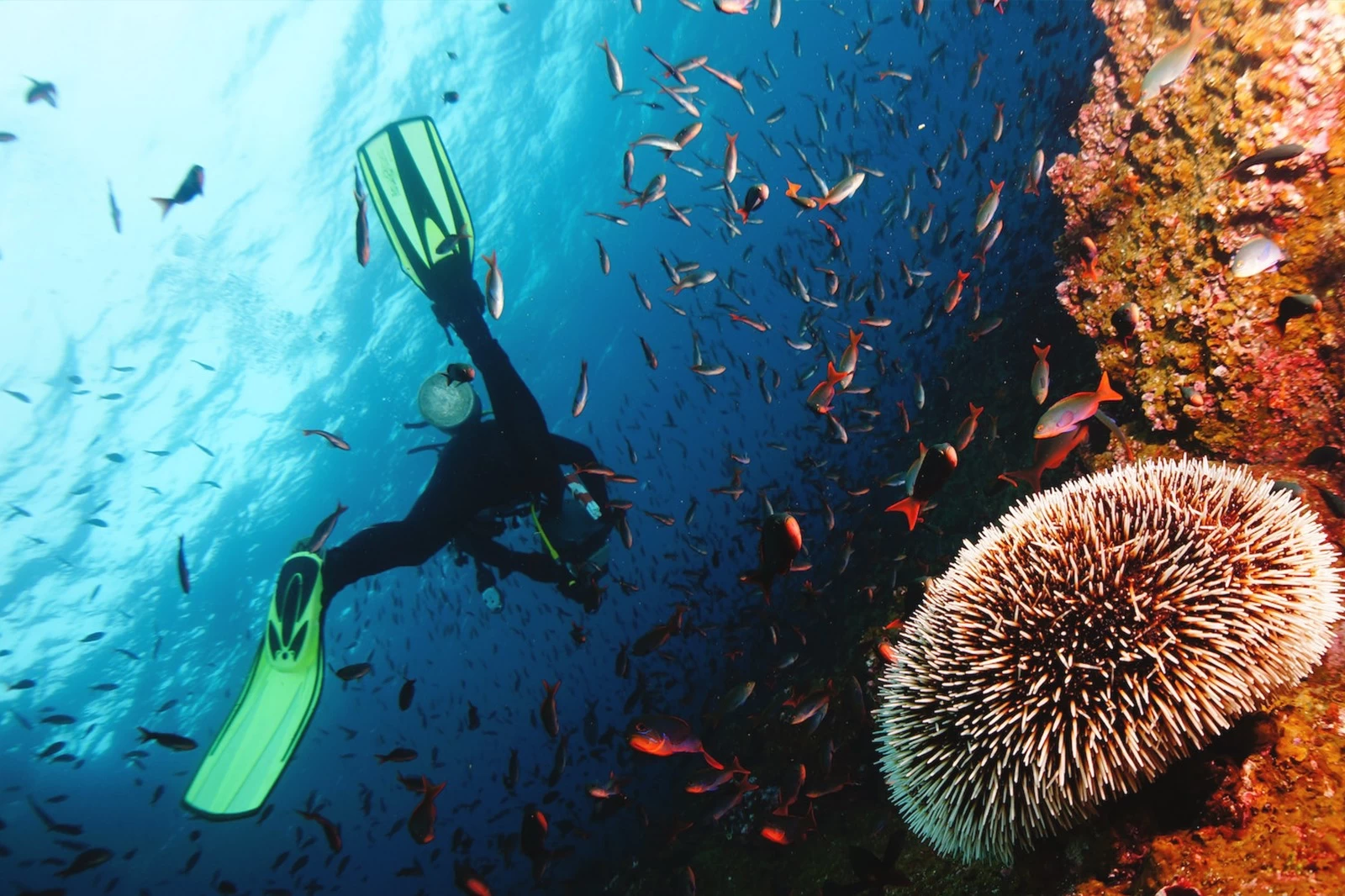
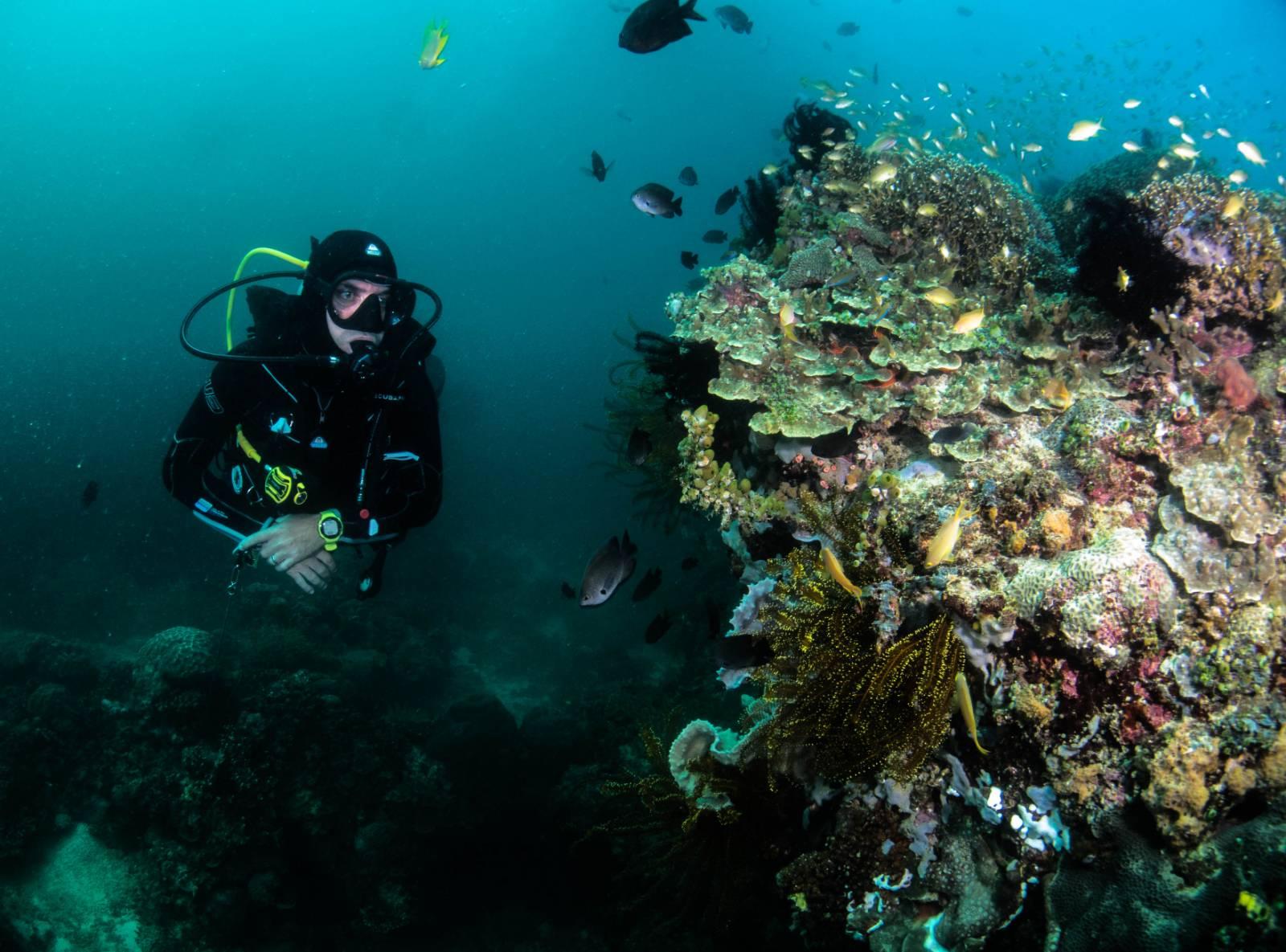
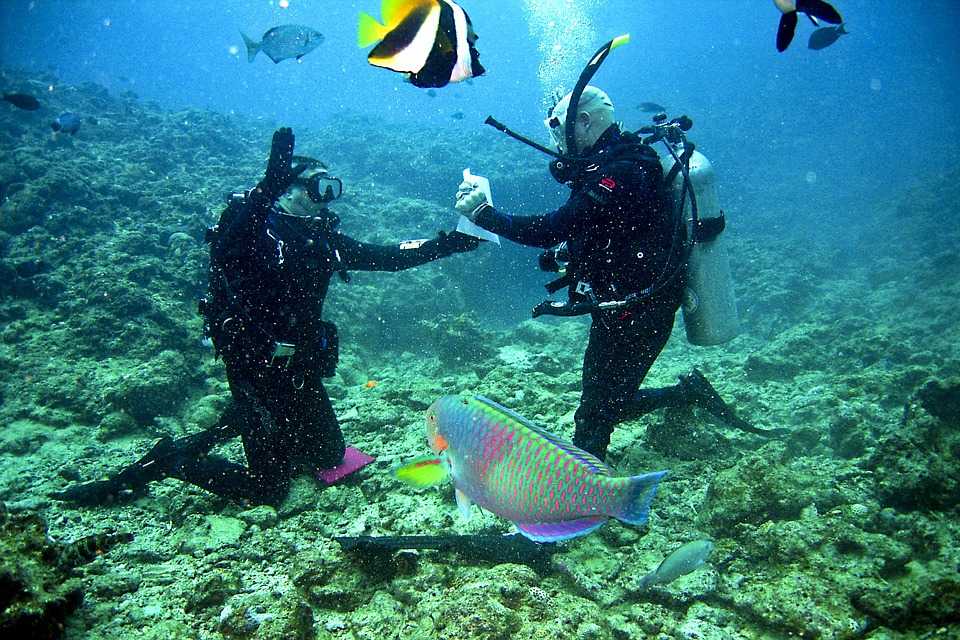
The first breath underwater feels mechanical — you focus on slow inhalation, holding the regulator firmly between your teeth. Your instructor signals you to equalize, and you pinch your nose, clearing the pressure in your ears. Visibility extends twelve metres in every direction. A school of yellow snappers drifts past a table coral. You practice neutral buoyancy, adjusting air in your vest until you hover motionless above the sand. Your instructor demonstrates mask clearing, flooding your lens with seawater and purging it with a sharp exhale through your nose. You repeat the skill three times.
After thirty minutes, you ascend slowly, pausing at five metres for a safety stop. Back on the boat, you log the dive in your training record: maximum depth 8.4 metres, bottom time 32 minutes, water temperature 28 degrees. Your second dive follows in the afternoon, and by day three, you complete your open-water certification with a final skills assessment at Crocodile Island.
All the details about your upcoming adventure in one place
PADI — the Professional Association of Diving Instructors — issues 900,000 certifications annually across 186 countries, and Boracay remains one of Southeast Asia's most accessible entry points for the qualification.
The association's recreational dive curriculum arrived in Philippine waters in 1981, five years before the island opened its first tourist lodges. Today, White Beach hosts fourteen PADI-affiliated dive centers, each offering identical foundational courses under a global standard that has remained largely unchanged since Ralph Erickson and John Cronin codified it in 1966.
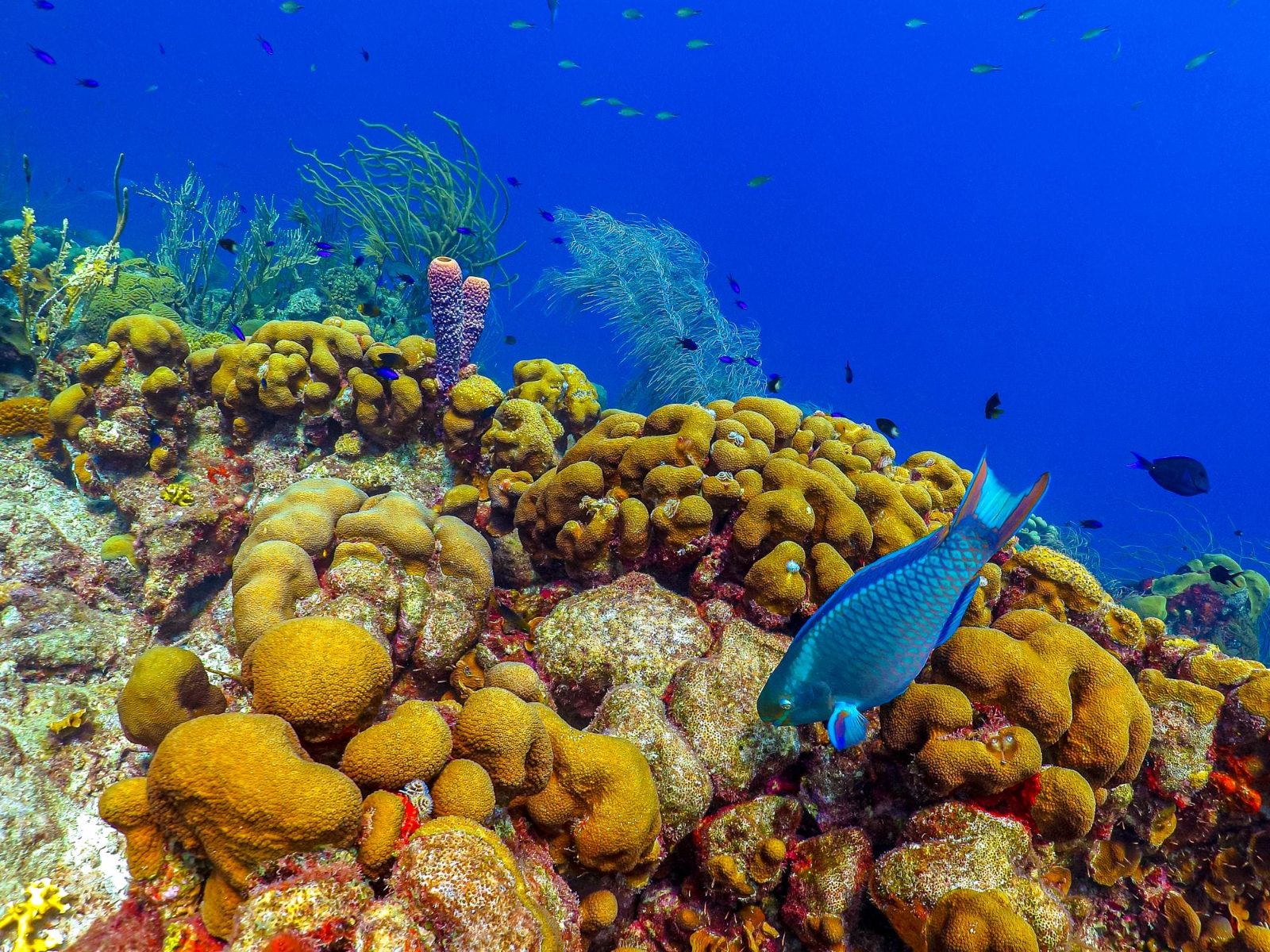
Boracay's underwater topography divides into three zones. Yapak in the north reaches thirty-metre depths and serves advanced divers seeking pelagic species. Bulabog on the eastern shore offers shallow reef systems ideal for open-water training dives — visibility averages fifteen metres year-round, and current velocity rarely exceeds half a knot. White Beach, the island's commercial spine, provides the shortest boat transfers: most dive sites lie within a ten-minute ride. The reef structure here consists of brain coral, staghorn clusters, and soft gorgonians anchored to volcanic substrate. Water temperature holds steady at 27–29 degrees Celsius, eliminating the need for full wetsuits outside of typhoon season.
PADI scuba diving Boracay programs follow a tiered certification model. Discovery dives — single-session introductions capped at twelve metres — require no prior experience and conclude in two to three hours. Open-water certification demands four confined-water sessions, four open-water dives, and completion of five knowledge-development modules, typically spread across three to four days. Dive shops along White Beach operate from 08:00 to 19:00 daily, with morning departures preferred for calmer surface conditions. Equipment rental is included in course fees; participants need only swimwear and sun protection. The island's dive industry is regulated under Philippine Republic Act 10611, which mandates instructor-to-student ratios of one-to-four for training dives and one-to-eight for certified divers.
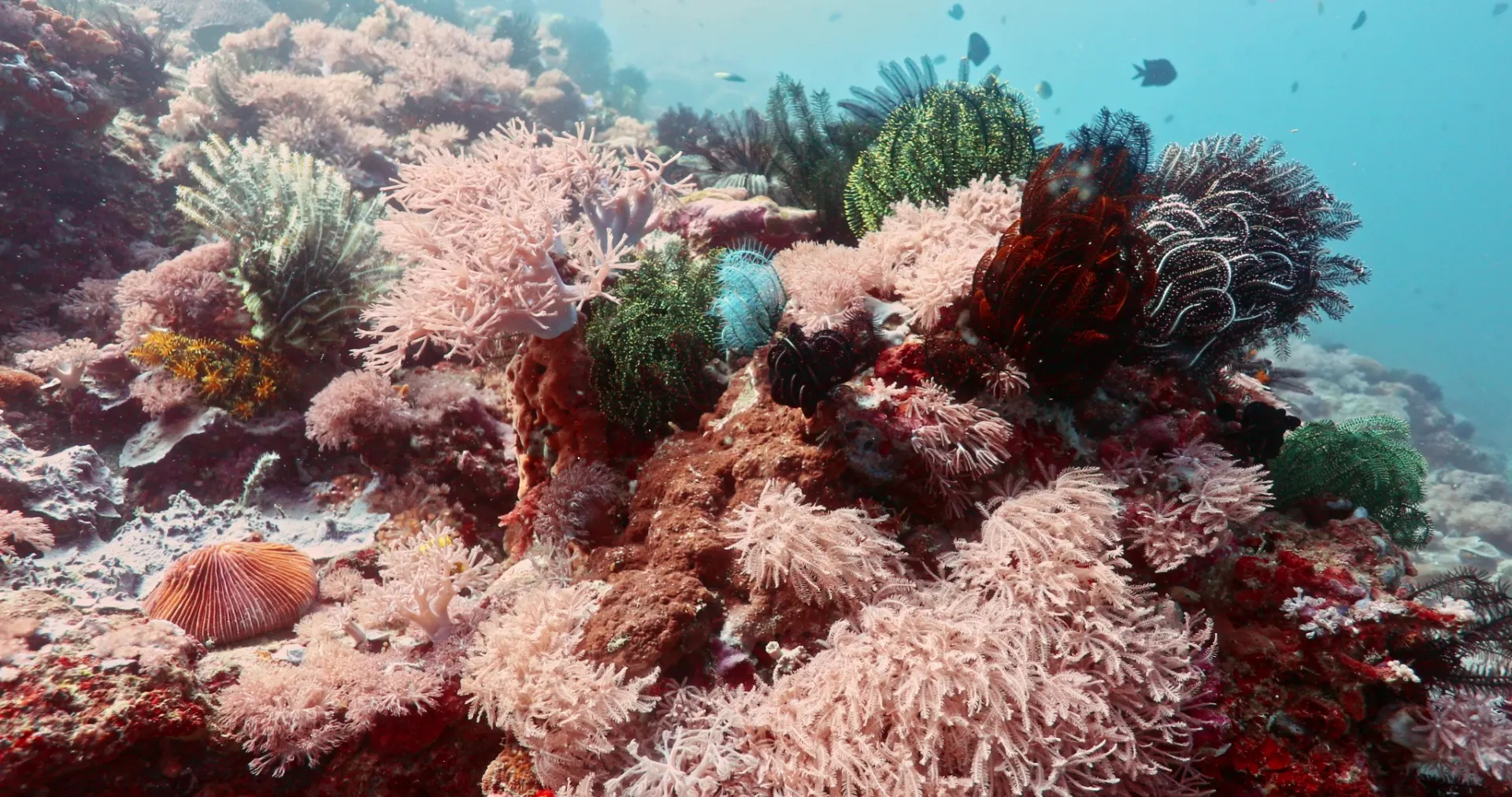
Boracay's marine biodiversity reflects its position within the Coral Triangle. Resident species include blue-spotted stingrays, lionfish, clownfish colonies, and occasional hawksbill turtles. Macro life — nudibranchs, pipefish, and juvenile cuttlefish — populates the shallow zones where beginner courses unfold. Night dives reveal bioluminescent plankton and hunting octopuses. The reefs themselves show recovery progress following a six-month island closure in 2018, when the Philippine government halted tourism to address water-quality violations. Coral cover has increased by an estimated eighteen percent since reopening, according to marine surveys conducted by the University of the Philippines.
PADI issues 900,000 certifications annually across 186 countries, and Boracay remains one of Southeast Asia's most accessible entry points.
Wear comfortable beach attire and swimwear. Ensure you have a change of clothes for after your padi scuba diving boracay session.
Keep valuables in your hotel safe, though most dive centers offer small lockers for your essentials during padi scuba diving boracay tours.
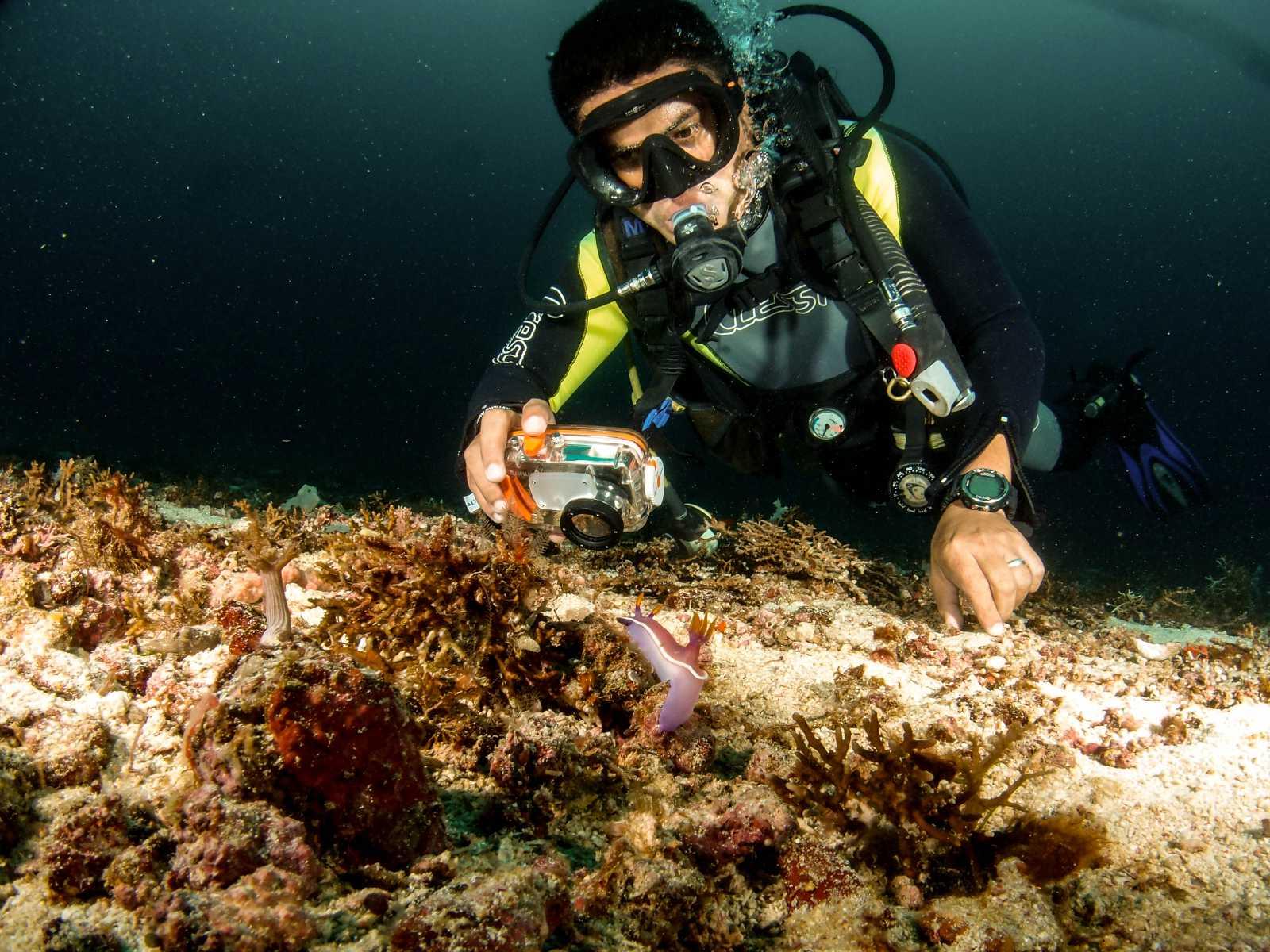
Underwater cameras are encouraged. Many operators of padi scuba diving boracay offer professional photo packages or will assist with capturing your first breath underwater.
Families are welcome, with many shops offering programs for children including snorkeling and entry-level padi scuba diving boracay experiences.
While the beach itself is sandy, many dive centers along White Beach are accessible to those with mobility needs; consult your chosen shop in advance.
Numerous cafes and restaurants are located along White Beach near the dive centers. Staying hydrated is essential before and after your padi scuba diving boracay excursion.
Opening Hours
08:00–19:00
Address
White Beach, Boracay Island, Malay, Aklan, Philippines
Accessibility
Dive shops on White Beach generally have accessible ground-level entry.
Arrival
08:00–10:00 — Morning hours offer the calmest water conditions and best visibility for diving.
Storage
Most dive centers provide secure lockers for personal items during courses.
Website
https://www.padi.com
Most operators offer free cancellation with 24 hours' notice. The entrance fee is 0 PHP, though individual dive shops charge for courses and equipment rentals.
Recommended time
Half a day to full day
Planning your padi scuba diving boracay experience requires balancing theoretical training with open water sessions. Most certification courses involve intensive instruction at White Beach, Boracay Island, Malay, Aklan, Philippines, so booking padi scuba diving boracay tours in advance is advisable. You should secure your padi scuba diving boracay tickets early, as the best arrival window is 08:00–10:00 to ensure optimal marine visibility and calm sea conditions. Those pursuing full certifications may need additional days to complete all required modules.
Crowd levels through the day
Boracay's transformation into a premier dive destination began in the mid-1980s, when the island emerged from obscurity as backpackers discovered its white sand beaches. The first dive operators arrived around 1986, offering rudimentary equipment and informal training to adventurous travelers. These early pioneers mapped the coral gardens off Yapak and Crocodile Island, establishing routes that remain popular today. By 1988, European dive professionals had settled on the island, bringing standardized safety protocols and laying the groundwork for what would become a structured certification industry. PADI scuba diving Boracay gained institutional footing in the early 1990s when several shops secured official PADI affiliate status, enabling them to issue internationally recognized credentials. The 1992 establishment of the first purpose-built dive center on White Beach marked a turning point. Instructors began conducting Open Water courses in shallow reef zones near Station 2, while advanced divers explored drift sites along Panay's northern coast. The Asian financial crisis of 1997 briefly slowed growth, yet by 2000 the island hosted more than fifteen PADI-affiliated facilities, each competing to offer multilingual instruction and nitrox fills. The industry faced its greatest test in April 2018, when the Philippine government closed Boracay for six months to address environmental degradation. Dive shops shuttered, instructors relocated, and coral rehabilitation projects accelerated. When the island reopened in October 2018, stricter permitting rules forced consolidation. Today, PADI dive operators concentrate along White Beach and Bulabog, offering certification courses that emphasize reef conservation. Marine sanctuaries established post-closure now serve as training sites, where visibility averages fifteen meters and blacktip reef sharks have returned. The certification pathway that began with improvised lessons in the 1980s has evolved into a regulated system balancing tourism with ecological stewardship.
First dive operators arrive on Boracay, mapping coral sites off Yapak and Crocodile Island.
Purpose-built dive center opens on White Beach, standardizing Open Water instruction.
Asian financial crisis temporarily slows island tourism and dive enrollment.
Boracay hosts over fifteen PADI-affiliated dive shops offering multilingual courses.
Six-month government closure forces industry consolidation and coral rehabilitation.
Island reopens with stricter environmental permits and marine sanctuary zones.
Pandemic pause accelerates digital theory modules and private certification sessions.
PADI scuba diving Boracay tours emphasize conservation-focused training in protected reefs.
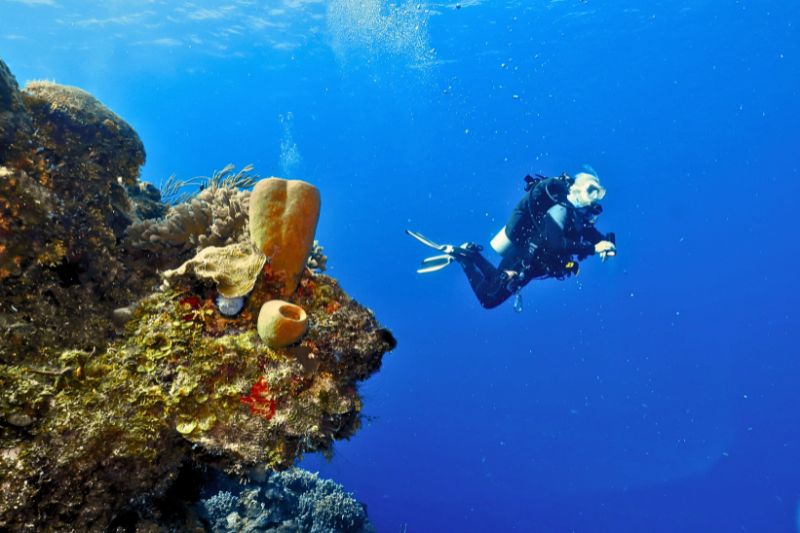
Capture the deep wall covered in soft corals and large gorgonian fans, perfect for wide-angle reef photography. You must be a certified diver to reach these depths, where schools of trevally and snappers frequent the blue water.
Focus your lens on this artificial reef where frogfish and schools of fusiliers hide among the skeletal structure. This site offers excellent contrast between the ship debris and marine biodiversity for your padi scuba diving boracay tour.
Shoot the vibrant encrusting sponges and anemones that cling to this shallow limestone formation. Photographers often find macro subjects like nudibranchs along the vertical rock face, making it a highlight of many padi scuba diving boracay tours.
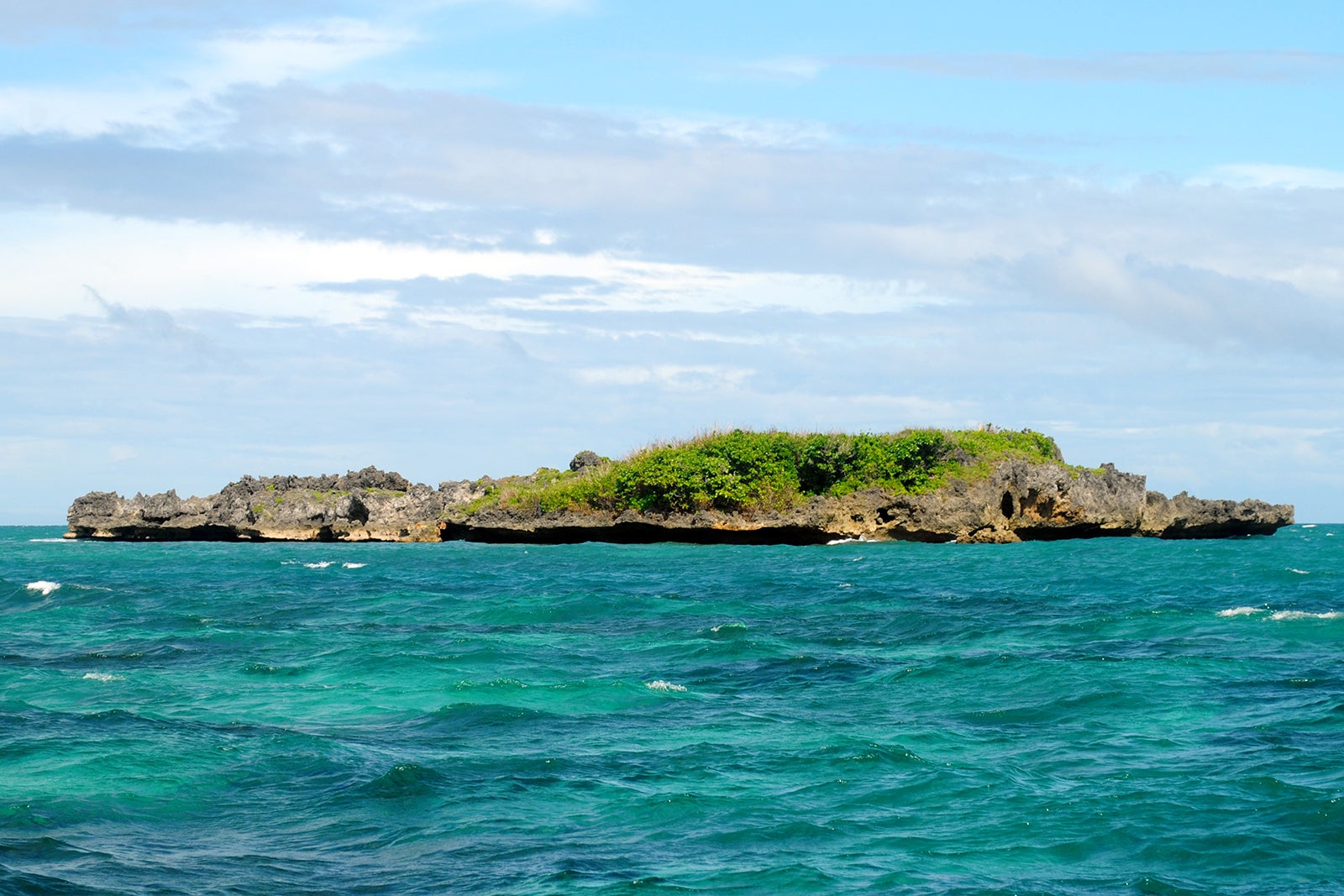
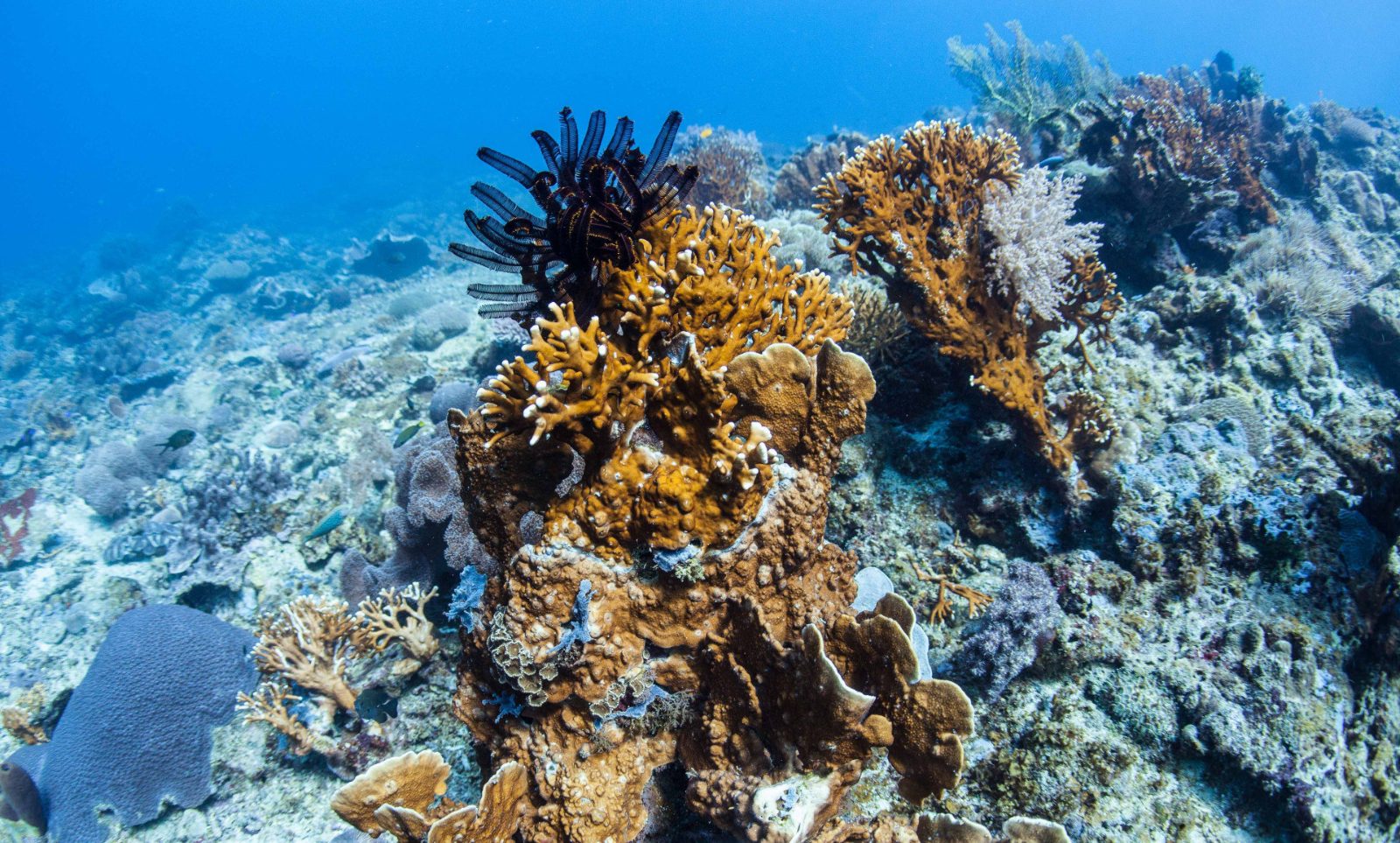
Frame the dense coral gardens and diverse marine life found in the protected waters surrounding this uninhabited islet. It is a favored location for capturing clear shots of sea turtles and vibrant reef fish for those with padi scuba diving boracay tickets.
Engaging in padi scuba diving boracay allows families to explore underwater ecosystems together through structured training programs. These PADI-certified courses provide a foundation for kids and teens to learn safe marine exploration techniques.
Junior Open Water Diver certifications are available for children aged 10 and older, focusing on essential buoyancy control and safety protocols
The dive shops along White Beach offer equipment rentals and classrooms for theory sessions, though they generally lack dedicated baby-change rooms
Parents should plan for half-day commitments when booking padi scuba diving boracay tours to balance classroom learning with confined water training
Families are encouraged to use the best arrival window of 08:00–10:00 to ensure calm water for initial skill practice sessions
While there is no entrance fee of 0 PHP for the beach itself, families must purchase PADI scuba diving boracay tickets for specific instructional courses and gear rental.
Finding a meal near padi scuba diving boracay is convenient, as White Beach is lined with numerous dining spots. Most divers prefer casual bites between certification sessions, with options ranging from quick snacks to hearty meals just a short walk away.
Popular for all-day breakfast and hearty pancakes, making it a favorite for divers fueling up before a PADI scuba diving boracay tour.
Everything you need to know for your journey
Most shops are open daily from 08:00–19:00. There is no public entrance fee for padi scuba diving boracay, as shops charge for courses and gear rentals. Book your padi scuba diving boracay tickets in advance, especially during the dry season. Yes, introductory sessions are perfect for novices. Arrive between 08:00–10:00 for the best diving conditions. Yes, many centers provide activities for all ages. Most professional centers provide secure storage. Most centers allow 24-hour free cancellation. Yes, underwater cameras are encouraged. Certification courses for padi scuba diving boracay typically range from 2 to 4 days.
Please contact us for more information.
Join thousands of happy travelers who have discovered this incredible experience
Book Your Experience Now