
Quick answer
Boracay dive sites are accessible daily from 08:00 to 17:00, with no separate entrance fee—costs are bundled into dive shop packages. Morning departures between 08:00 and 11:00 secure the clearest visibility and calmest surface conditions before afternoon wind picks up. Sites range from 5-meter coral gardens suitable for beginners to 30-meter wall dives and wreck penetrations for advanced certification levels.
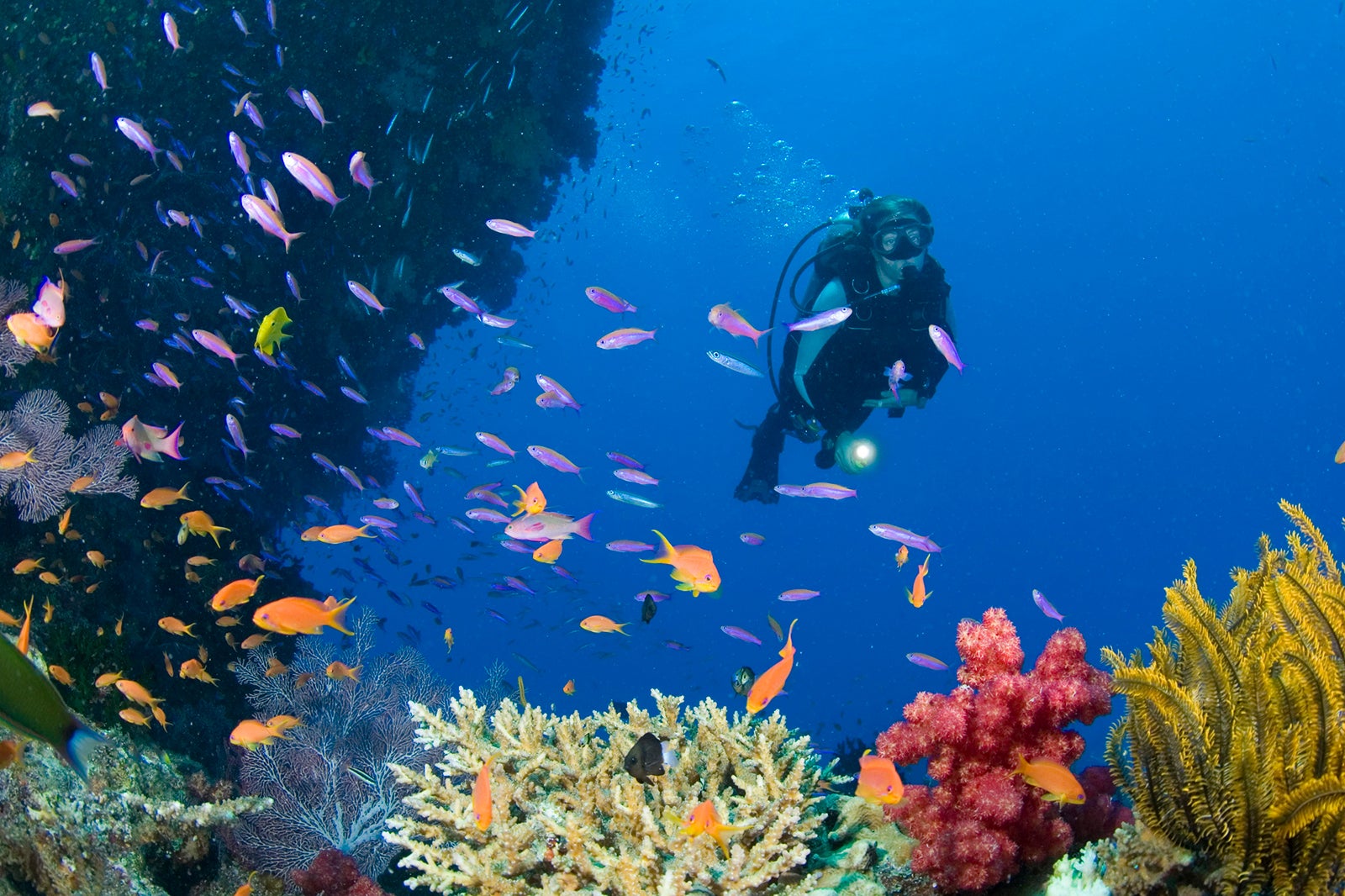
The island's dive sites cluster into three geographic zones defined by boat departure points and prevailing current patterns. White Beach dive shops service the western sites—Crocodile Island's vertical wall drops to 25 meters along a fault line colonized by soft corals and schooling jacks, while Laurel Island's boulder fields create swim-throughs at 12 to 18 meters where nudibranchs and frogfish occupy the rubble. The northern zone, launched from Yapak, includes Yapak Wall with its drift-dive profile along a 30-meter limestone face, and Cathedral Cave's three-chamber system accessible only to advanced open-water divers. Boracay dive sites on the eastern shore favor calmer conditions during the southwest monsoon season. Balinghai reef stretches 200 meters as a sloping hard coral garden from 5 to 15 meters, used primarily for discover-scuba introductions and shallow macro photography. Camia wreck, a 35-meter fishing vessel deliberately sunk in 2003, sits upright at 27 meters with open holds and intact superstructure—advanced divers penetrate the engine room while recreational certifications limit exploration to the exterior deck and wheelhouse. Visibility fluctuates with tidal exchange and plankton bloom cycles. The 08:00 to 11:00 window consistently delivers 15 to 25 meters of horizontal visibility as overnight water movement settles and before midday thermal turnover stirs sediment. Dive operators run two-tank trips departing at 08:30, returning by 13:00 to avoid afternoon chop. Surface intervals occur on the boat or at uninhabited islet beaches between dives. Marine life encounters shift with site topography. Wall sites attract pelagic visitors—trevally, barracuda, and occasional manta rays during plankton surges—while reef flats host resident populations of parrotfish, angelfish, and cleaning stations frequented by green turtles. Night dives at Angol Point reveal Spanish dancers, banded sea kraits hunting in crevices, and bobbit worms emerging from sand channels. Water temperature holds steady at 27 to 29 degrees Celsius year-round, eliminating the need for thermal protection beyond a 3-millimeter shorty. Dive shops stationed along Bolabog Beach and White Beach provide equipment rental, boat transport, and guide services as part of per-dive or multi-dive packages. No direct site access fees apply—all costs flow through the shop contracts. Divers present certification cards during booking; shops match groups to sites based on logged experience and comfort level rather than fixed itineraries.
“Morning departures secure 15 to 25 meters of visibility before afternoon thermal turnover stirs coastal sediment.”
Daily Operating Hours for Boracay Dive Sites
Boracay dive sites follow a consistent daily schedule to facilitate organized scuba diving activities. Operations are open seven days a week.
| Monday | 08:00–17:00 | |
|---|---|---|
| Tuesday | 08:00–17:00 | |
| Wednesday | 08:00–17:00 | |
| Thursday | 08:00–17:00 | |
| Friday | 08:00–17:00 | |
| Saturday | 08:00–17:00 | |
| Sunday | 08:00–17:00 |
Understanding Fees at Boracay Dive Sites
There is no direct entrance fee for accessing Boracay dive sites. All relevant costs are integrated directly into the packages provided by professional dive shops.
Visitors do not pay an entrance fee, as total costs depend entirely on the specific dive package selected from an operator.
Key Boracay Dive Sites to Explore
Boracay offers a variety of underwater topographies ranging from gentle coral slopes to challenging drift dives. These sites provide diverse habitats for tropical marine life in the waters surrounding the island.
Yapak
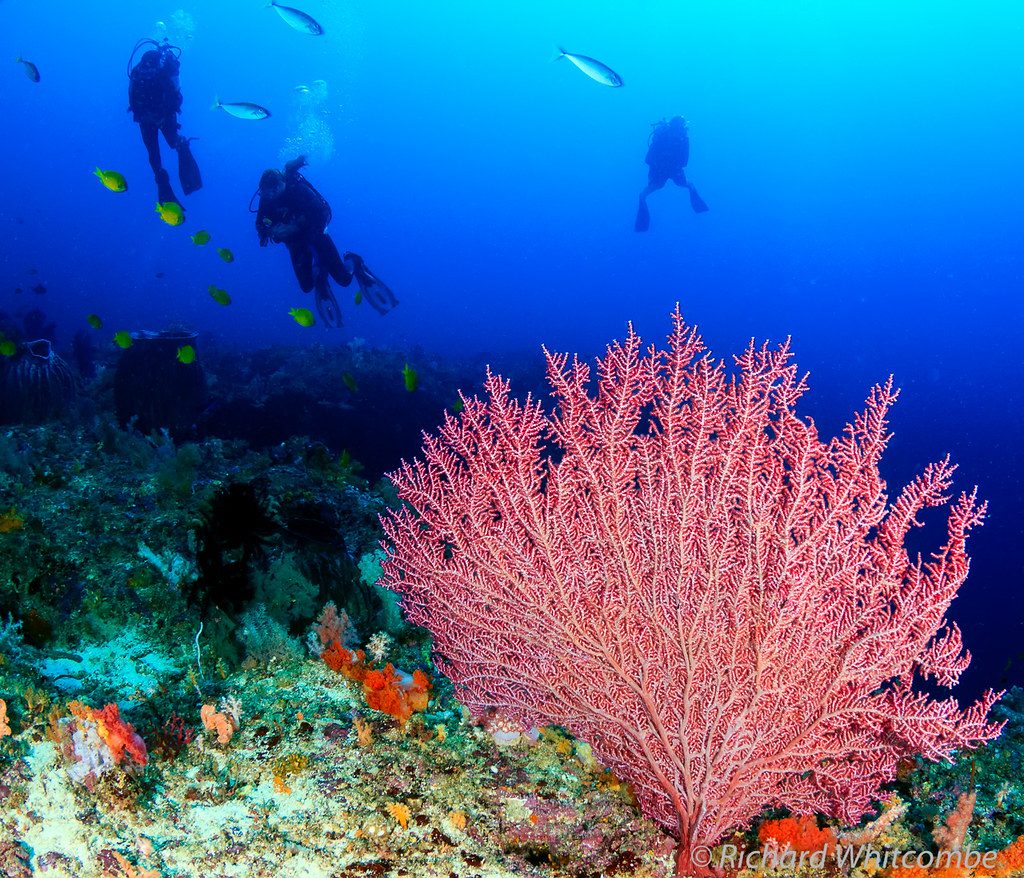
This site is known for its steep wall dropping from 30 to over 40 meters, suitable for experienced divers. Visitors often encounter white-tip reef sharks, giant trevallies, and large schools of fusiliers.
Keep deep and watch for pelagic species in the blue.
Crocodile Island
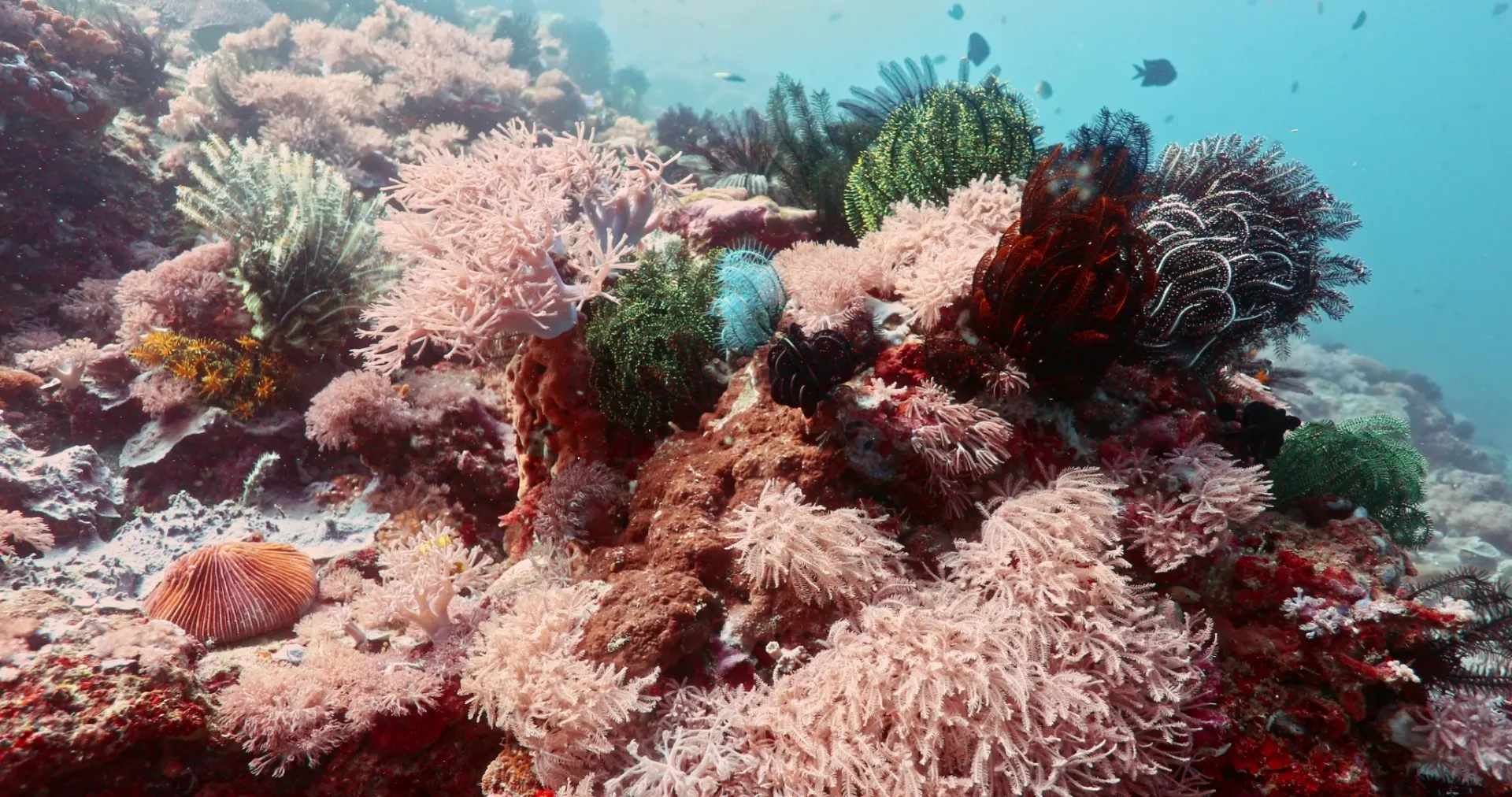
Located off the southern tip of the island, this site features a vibrant coral garden and diverse macro life. The terrain is relatively shallow, making it accessible for varied skill levels.
Explore the reef edge during slack tide for maximum visibility.
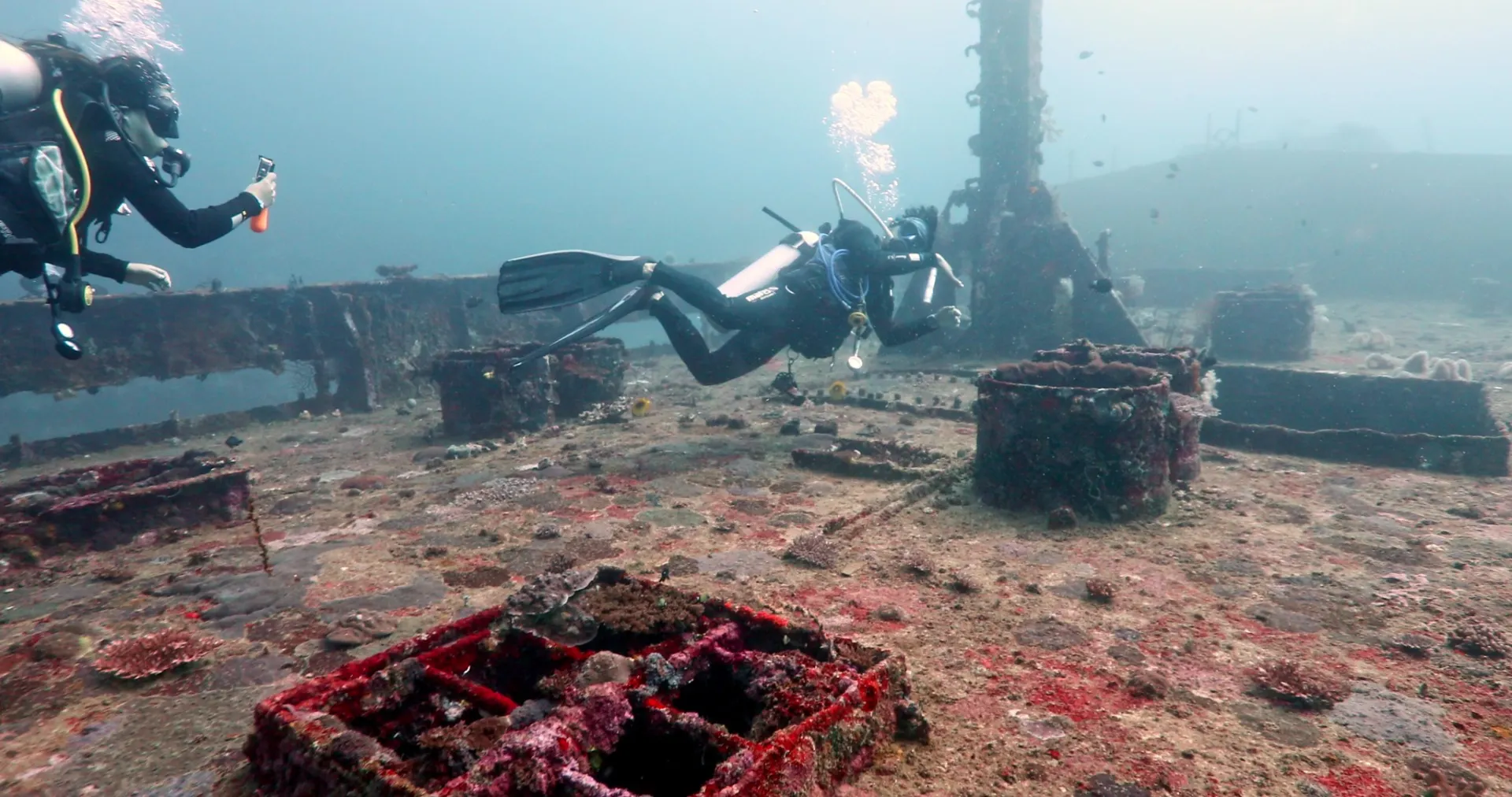
Camia II Wreck
This purposely sunk artificial reef creates a sanctuary for numerous species, including scorpionfish and snappers. The wreck sits upright on the sandy bottom, allowing for structured exploration.
Bring an underwater torch to inspect the wreck interiors.
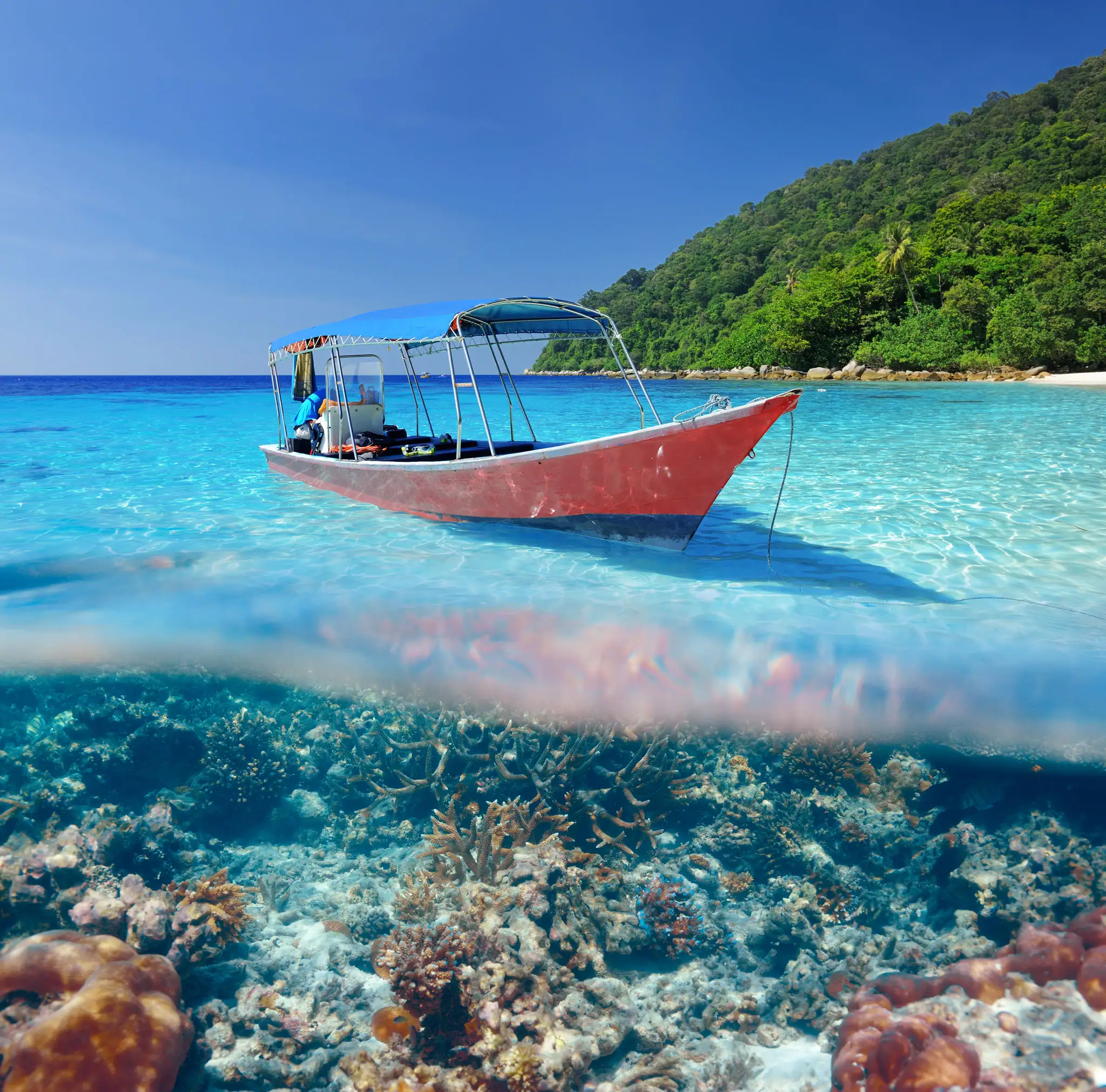
Laguna de Boracay
A sheltered site ideal for beginners and training dives, offering calm waters and sandy patches. It hosts colorful reef fish and occasional sightings of sea turtles.
Look for blue-spotted ribbon tails in the sand.
Pre-Dive Checklist for Boracay Dive Sites
Prepare these items and complete administrative tasks before arriving at any Boracay dive site.
-
Bring your certification card — Dive operators verify credentials before allowing water entry.
-
Complete a medical questionnaire — Shops require health clearance to assess fitness for diving.
-
Confirm your booking with the dive shop — Morning slots between 08:00–11:00 offer optimal visibility and surface conditions.
-
Pack reef-safe sunscreen — Conventional sunscreen damages coral; only mineral-based products are appropriate.
-
Arrange your dive computer or rental — Personal depth and time monitoring is standard safety practice.
-
Secure waterproof storage for valuables — Boats lack lockable compartments; seal electronics and cash before departure.
Check availability
Frequently asked questions about boracay dive sites
Everything you need to know about boracay dive sites